 blog
blog
Artisanal Caribbean Food Gift Baskets: A 2026 Guide
Table of Contents
- What Makes Caribbean Food Gift Baskets Special
- Caribbean Rum Cake Gift Options and Why They Matter
- Building Custom Corporate Gift Baskets for Your Team
- Bulk Caribbean Gifts: Sourcing for Multiple Recipients
- Caribbean Gifts for Clients: Choosing by Occasion and Recipient
- Artisanal Ingredients and Authenticity: What Sets Premium Baskets Apart
- Shipping, Freshness, and Delivery: Getting Your Gift Basket There Right
- Frequently Asked Questions
Last Updated: October 17, 2026
What Makes Caribbean Food Gift Baskets Special
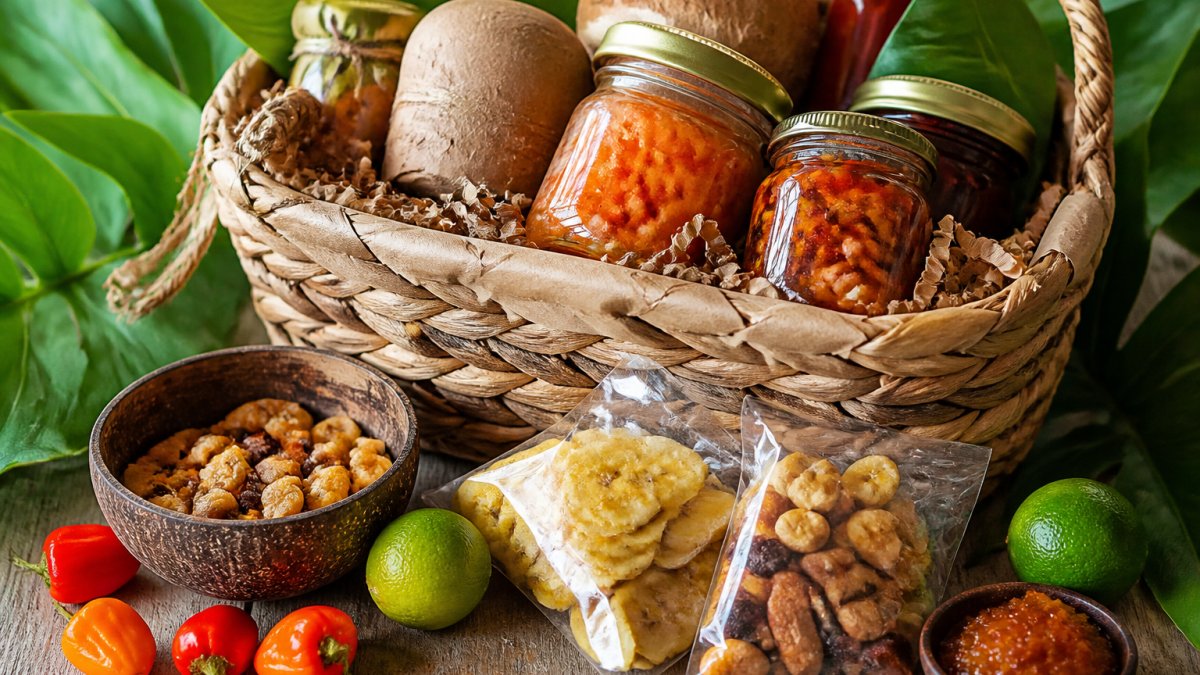
Caribbean food gift baskets stand apart because they tell a story. Each item carries the flavor and culture of island life, from handcrafted rum cakes to locally sourced spices and traditional sweets. These aren't generic gift boxes of mass-produced snacks, they're curated selections that celebrate authentic Caribbean heritage.
At Life in the Left Lane, we've built our reputation on understanding what makes these gifts meaningful. Since 1981, we've crafted authentic Caribbean experiences, particularly through handmade rum cakes soaked in Cruzan Rum syrup.
The best artisanal Caribbean food gift baskets combine three elements: authentic ingredients, careful sourcing, and thoughtful presentation. They reflect the actual flavors people enjoy on islands like St. Croix, not what outsiders imagine Caribbean food should taste like, transforming a gift from a nice gesture into a meaningful experience.
Caribbean Rum Cake Gift Options and Why They Matter
Caribbean rum cake is the centerpiece of most quality gift baskets, and for good reason. A proper rum cake isn't a light dessert, it's a dense, moist cake soaked in rum syrup. The best versions are handcrafted in small batches with real Caribbean rum, not imitation flavoring.
Our rum cakes at Life in the Left Lane are made from scratch and soaked in Cruzan Rum, giving them an authentic Caribbean profile. This takes time and skill, which explains why handcrafted rum cakes command higher prices than mass-produced alternatives. When selecting one, look for makers who use real rum, quality butter, and traditional recipes.
Rum cakes work particularly well as corporate gifts because they signal thoughtfulness. They're substantial enough to feel premium, yet familiar enough that most recipients will appreciate them.
Building Custom Corporate Gift Baskets for Your Team
Corporate gift baskets require a different approach than personal gifts. Team members have varied tastes, dietary preferences, and cultural backgrounds, so one-size-fits-all rarely works. Custom baskets show you've considered individual preferences while maintaining a cohesive, professional presentation.
Start by defining your budget and basket size. Smaller baskets work for large teams; larger, more elaborate ones suit smaller groups or key clients. Then select broadly appealing items: a rum cake as the anchor, complemented by Caribbean snacks, sweets, and perhaps a specialty beverage or local chocolate.
Packaging matters for corporate gifts. Quality wrapping, ribbon, or a custom label reinforces that this is a premium gift, not an afterthought. Life in the Left Lane can work with you on custom options reflecting your brand while celebrating Caribbean culture. Include a card explaining the contents and their story, it adds context and makes the gift feel intentional.
Bulk Caribbean Gifts: Sourcing for Multiple Recipients
Ordering in bulk changes the economics and logistics of Caribbean gift baskets. Sourcing for 20, 50, or 100 recipients requires a supplier who can handle volume without sacrificing quality. Bulk orders also let you negotiate customization unavailable for single baskets.
Before committing to a bulk order, clarify what "bulk" means to your supplier. Some makers have minimum order quantities aligned with production schedules; others offer tiered pricing with per-unit savings at larger volumes. Ask about lead times, handcrafted items often require weeks of notice, especially in peak seasons.
Decide whether you want identical baskets or curated variety. Some teams appreciate uniformity for fairness and simplicity; others prefer variety so recipients feel their tastes were considered. Life in the Left Lane offers flexibility on both, and we can discuss what suits your team size and budget. Confirm your supplier can deliver to a central location or coordinate multiple shipments.
Caribbean Gifts for Clients: Choosing by Occasion and Recipient
Client gifts require a different calculus than employee gifts. You're balancing generosity with professionalism, and the gift should reinforce your business relationship without overstepping. A thoughtful Caribbean food gift basket accomplishes this, distinctive enough to stand out, yet culturally neutral enough to feel appropriate across most industries.
Match the basket to the occasion. Holiday gifts can be more elaborate; client appreciation gifts smaller and more refined. Milestones, a new partnership, a completed project, call for something celebratory but not extravagant.
Consider the recipient's known preferences. If a client loves rum cake, that's your anchor item. If they're health-conscious, emphasize fresh fruit and lighter options. If they're adventurous, include flavors they might not encounter otherwise. A personalized note explaining why you chose specific items transforms a nice gift into a memorable one.
Artisanal Ingredients and Authenticity: What Sets Premium Baskets Apart
"Artisanal" is one of the most overused words in food gifting, so define it concretely. In a Caribbean food gift basket, artisanal should mean three verifiable things: identifiable ingredients, traceable makers, and production methods a small producer can stand behind.
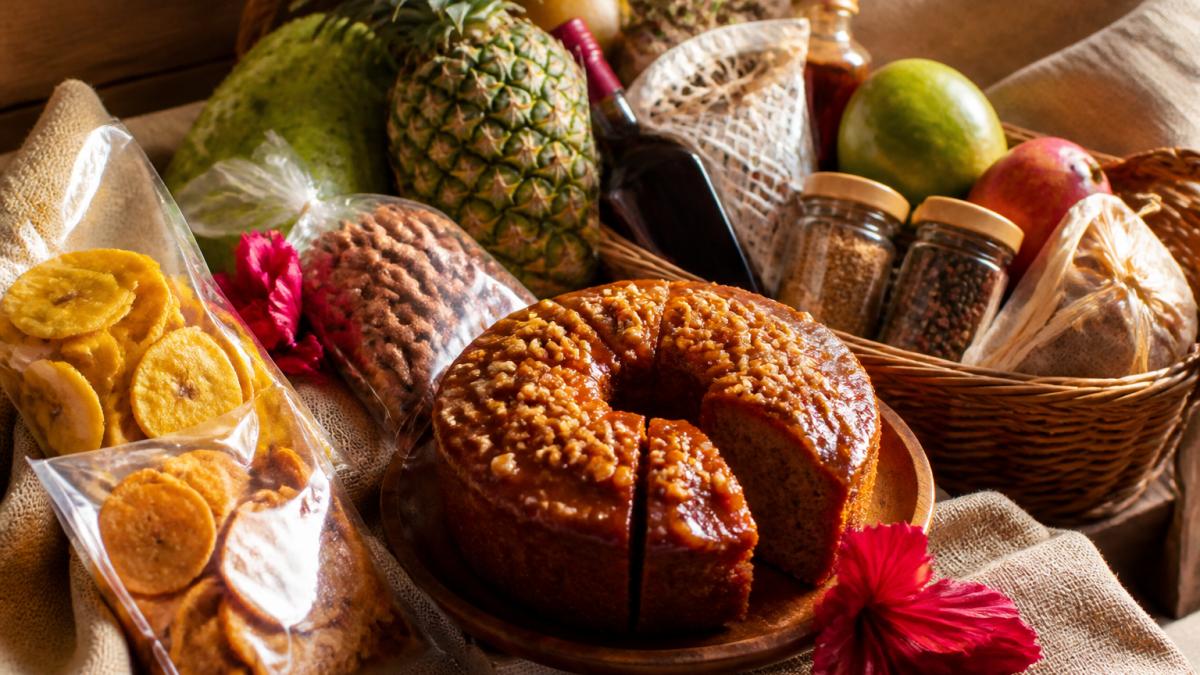
Start with the anchor item: the rum cake. A genuinely artisanal Caribbean rum cake typically uses real rum, often a Caribbean spirit such as Cruzan Rum from St. Croix, rather than rum extract or imitation flavoring.
Then look at the supporting cast. Artisanal Caribbean baskets often include small-batch spice blends, pepper sauces, guava or tamarind preserves, coconut or cassava sweets, locally roasted coffee, and chocolate made from Caribbean cacao. Each category has its own authenticity signals:
- Spices and seasonings: Look for named blends tied to a specific island tradition (for example, a St. Croix or Jamaican-style all-purpose seasoning) and labels that list whole ingredients rather than "spices" as a catch-all.
- Preserves and sweets: Small producers typically work in seasonal batches, so jar labels may show batch numbers or production dates. Guava, tamarind, soursop, and coconut are common traditional flavors; if a basket only offers generic tropical fruit candy, it is likely not artisanal.
- Chocolate and coffee: Caribbean cacao and coffee have distinct regional profiles. A maker who names the island or estate, even at a small scale, is giving you something to verify.
- Pepper sauces: Artisanal sauces usually name the pepper variety (scotch bonnet, habanero) and are made in small runs; mass-market sauces lean on generic "hot" labeling.
Ask provenance questions that have concrete answers. A short, practical checklist works better than a vague conversation:
- Where is each item made, and by whom?
- Which ingredients are sourced from the Caribbean, and which are imported?
- Is the rum named, and is it used in the cake itself or only in a glaze?
- Are items made in small batches, and is there a production date on the package?
- Can the supplier describe the recipe's origin, family, regional, or modern adaptation?
Vague answers about "island flavor" are a warning sign; specific answers about named producers, ingredients, and methods are the signal.
Cultural context matters as much as ingredients. Caribbean food traditions vary meaningfully by island. A St. Croix-style rum cake, a Jamaican-style spice blend, and a Trinidadian pepper sauce each carry different histories and flavor profiles.
Finally, artisanal production usually means better flavor, not just better storytelling. Small-batch makers tend to use higher-quality butter, fresher spices, and real fruit, and they adjust recipes seasonally. The trade-off is consistency and shelf life: handcrafted items may have slight batch variation, so confirm best-by dates and storage instructions before gifting. The FTC's guidelines on product sourcing claims require that terms like "handcrafted" and "artisanal" be truthful and substantiated, another reason to buy from suppliers who can document their claims.
Shipping, Freshness, and Delivery: Getting Your Gift Basket There Right
Shipping is where a beautiful Caribbean food gift basket most often goes wrong, and it's the area most gift guides skip.
Domestic shipping (mainland US and US territories). Within the United States, most shelf-stable Caribbean foods, rum cakes, spice blends, preserves, coffee, chocolate, ship without special documentation. The main risks are heat and handling. In warm months, a quality supplier uses insulated liners and cooling elements; in cold months, the concern shifts to freezing, which can affect texture and packaging. Ask three questions:
- How is the basket packed for temperature, insulation, cooling packs, or both?
- What is the supplier's damage rate, and do they replace damaged items?
- Is tracking and insurance included, and what is the stated delivery window?
Rum cake is relatively forgiving because it's dense and moist, but it still benefits from avoiding prolonged heat. If shipping to a warm climate or during summer, request expedited shipping and confirm the recipient will be available to receive the package rather than leaving it on a porch.
International shipping and customs. Sending food gifts across borders introduces rules that vary by destination country. Common constraints include:
- Alcohol restrictions: Rum cake contains rum, and some countries restrict or prohibit alcohol-containing foods. Even where permitted, the alcohol content may need to be declared. Confirm before ordering to a country with strict import rules.
- Perishable and fresh items: Fresh fruit, fresh produce, and some dairy items are commonly restricted or prohibited for import. Shelf-stable baked goods, sealed preserves, and dry spices are usually easier, but the rules are country-specific.
- Meat and dairy products: Many destinations restrict these categories, so baskets built around cured meats or fresh dairy may not clear customs.
- Documentation and duties: Some shipments require ingredient lists, commercial invoices, or customs declarations, and the recipient may owe duties or taxes. Ask the supplier who handles the paperwork and who pays any fees.
US Customs and Border Protection guidelines outline which food items can be imported into the US and what documentation is required; the reverse direction, US gifts sent abroad, is governed by the destination country's rules, so check the receiving country's customs authority before ordering.
Delivery windows and timing. A gift that arrives late loses much of its impact. Build in a buffer: order at least two to three weeks before a holiday or event, longer for international destinations or bulk orders. Handcrafted items often require advance notice because they're made in small batches, and peak seasons tighten production and shipping capacity. Confirm the supplier's cutoff dates for guaranteed holiday delivery and whether they offer scheduled delivery for a specific date.
Freshness after arrival. Shelf-stable items such as rum cake, preserves, coffee, and chocolate have different best-by windows. Ask for storage guidance, rum cake typically benefits from cool, dry storage, and include a note to the recipient about when to open and how to store each item.
Before you buy, confirm four things: the destination's import rules for alcohol and fresh food, the supplier's packing method for temperature, the guaranteed delivery window, and who handles customs paperwork and fees. Getting these right is what separates a gift that arrives beautifully from one that arrives late, damaged, or held at customs.
Frequently Asked Questions
What foods are commonly included in a Caribbean food gift basket?
Authentic Caribbean food gift baskets typically feature handcrafted rum cakes soaked in island spirits, traditional sweets and confectionery, Jamaican and Haitian specialty snacks, gourmet chocolates, dried tropical fruits, and locally sourced beverages. Premium artisanal baskets emphasize regional specialties and small-batch items that reflect genuine island cuisine rather than mass-produced alternatives. The best selections highlight authentic Caribbean flavors sourced directly from makers who understand the cultural significance of these traditional foods.
Can Caribbean food gift baskets be customized for corporate orders?
Yes. Custom corporate gift baskets allow you to tailor contents by dietary needs, budget, and recipient preferences. You can specify quantities, swap items for allergen concerns, and adjust basket size for team distribution. Many artisanal producers offer bulk Caribbean gifts, though advance notice (typically 2-4 weeks) ensures quality and fresh preparation. Corporate customization also lets you balance premium handcrafted items with cost-effective selections to fit your gifting budget.
What makes a food gift basket feel artisanal rather than mass-produced?
Artisanal Caribbean food gift baskets prioritize handcrafted preparation, traceable sourcing, and authentic ingredients. Look for rum cakes made fresh in small batches with real Cruzan Rum or island spirits, not shelf-stable mixes. Authentic baskets feature sweets and snacks from known makers, include regional specialties unavailable in mainstream retail. Transparency about sourcing and maker details signals genuine artisanal production versus generic "Caribbean-themed" assortments.
How do I choose Caribbean gifts for clients with different dietary needs?
Ask clients directly about allergies, dietary restrictions, and flavor preferences before ordering. Artisanal baskets can be customized to exclude nuts, dairy, or specific ingredients while maintaining authentic Caribbean flavors through alternative sweets, fruit-based treats, or gourmet non-food items. When ordering bulk Caribbean gifts, confirm allergen information and ingredient sourcing with the provider. Offering a variety of options, some fruit-forward, some chocolate-based, some savory, ensures every recipient finds something they can enjoy without compromise.