 ultimate-guide
Authentic Caribbean Rum Cake Recipe: A 2026 Guide
Table of Contents
- What Makes Caribbean Rum Cake Authentic
- Ingredients and Measurements for a Caribbean Rum Cake
- Mixing the Batter: Eggs One at a Time and Scraping the Bowl
- Baking Temperature, Time, and Doneness Cues
- Rum Cake With Rum Syrup: Choosing the Rum and Glazing
- Does Rum Cake Contain Alcohol After Baking?
- How to Store Rum Cake, Freeze It, and Make It Ahead
- Caribbean Coconut Cake: A Tropical Variation
- Frequently Asked Questions
Last Updated: October 14, 2026
What Makes Caribbean Rum Cake Authentic
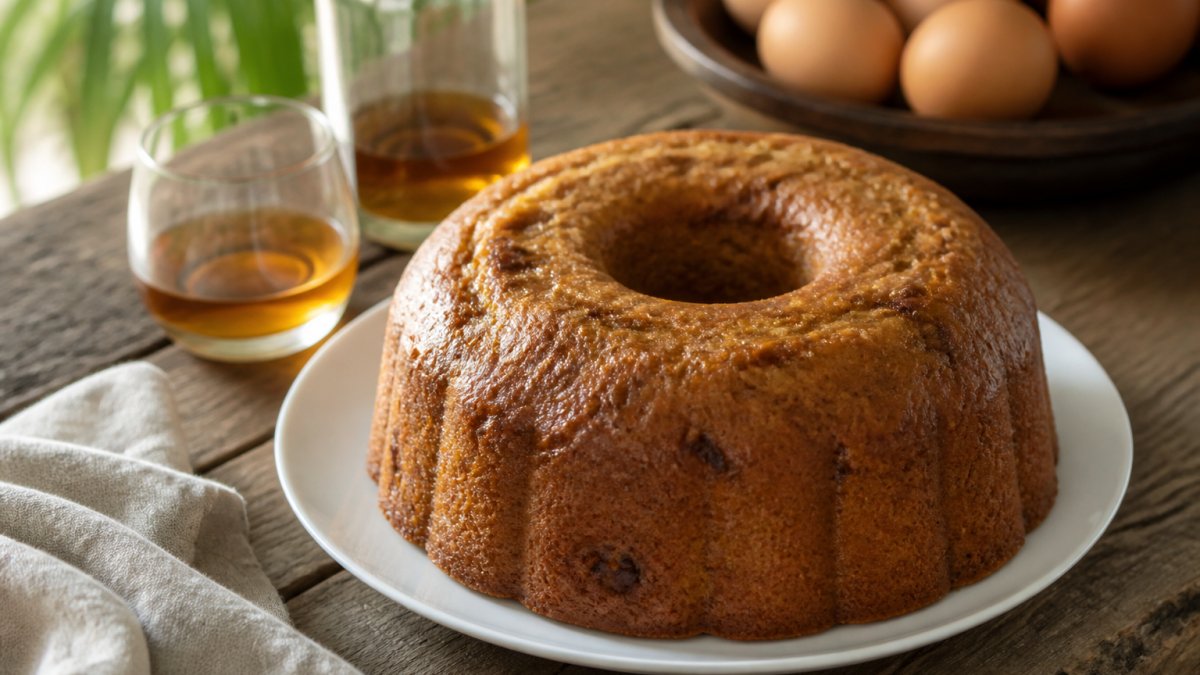
An authentic Caribbean rum cake recipe starts with a butter cake soaked in real rum syrup, not rum extract stirred into the batter.
At Life in the Left Lane, we have baked these cakes from scratch since 1981, soaking them in Cruzan Rum syrup the way St. Croix bakers always have.
Get those three right and everything else is detail work.
Ingredients and Measurements for a Caribbean Rum Cake
A Caribbean rum cake needs two sets of ingredients: a rich butter batter and a separate rum syrup for soaking. Measure everything first, because the batter comes together quickly once the butter and sugar are creamed.
Here is what you need for one standard bundt cake:
| Component | Ingredients | Notes |
|---|---|---|
| Dry base | Flour, baking powder, salt, instant pudding mix | Pudding mix adds moisture and structure |
| Fat and sugar | Unsalted butter, granulated sugar | Room temperature butter creams better |
| Binders | Eggs, whole milk | Add eggs one at a time |
| Flavor | Dark rum, vanilla extract | Rum goes in both batter and syrup |
| Syrup | Butter, sugar, water, dark rum | Poured over the warm cake |
| Optional | Chopped pecans, shredded coconut | For texture and tropical flavor |
For the syrup, melt butter with sugar and water, simmer briefly, then stir in the rum off the heat. Keep it warm while the cake bakes so it soaks in evenly.
Wet Ingredients and the Batter Base
The wet ingredients carry the flavor and fat that keep the crumb tender. Cream room-temperature butter with sugar until pale and fluffy, then beat in the eggs one at a time.
Add the milk and vanilla next, alternating with the dry mix, and finish with the rum. Dumping everything in at once is a common mistake, take the extra two minutes.
Dry Ingredients and the Pudding Mix Shortcut
The dry ingredients give the cake its structure, and instant pudding mix is the shortcut that keeps it moist.
For a fully from-scratch cake, swap the pudding mix for an extra tablespoon of cornstarch and a spoonful of milk powder; the texture lands close, though the pudding version holds moisture longer. A yellow cake mix plus pudding mix and the same wet ingredients also works well.
Mixing the Batter: Eggs One at a Time and Scraping the Bowl
Batter technique decides whether the cake comes out light or heavy. Beat the butter and sugar a full three to four minutes, add the eggs one at a time, and scrape the bowl between additions so nothing sits unmixed against the sides.
Follow this order:
- Cream butter and sugar until pale and fluffy.
- Beat in eggs one at a time, scraping the bowl after each.
- Mix in vanilla and half the milk.
- Fold in the dry ingredients in two batches.
- Stir in the rum last, just until combined.
- Scrape the bowl one final time and give the batter a short finish mix.
Stop mixing the moment the flour disappears, overbeaten batter develops tough gluten and turns rubbery. The batter should look thick and glossy, not stiff.
Baking Temperature, Time, and Doneness Cues
Bake a Caribbean rum cake at 325°F (165°C) for roughly 50 to 60 minutes in a bundt pan.
Prep the pan first: grease every ridge and crevice, then dust with flour or cocoa so the cake releases in one piece. A bundt cake that sticks tears apart when you flip it.
Start checking for doneness at the 45-minute mark. Look for three cues:
- A skewer inserted near the center comes out with a few moist crumbs, not wet batter
- The cake pulls away from the sides of the pan slightly
- The top springs back when you press it gently
If the center still jiggles, give it five more minutes.
Rum Cake With Rum Syrup: Choosing the Rum and Glazing
A rum cake with rum syrup lives or dies by the rum you choose. Dark rum brings molasses and caramel notes; spiced rum adds warmth and island spice.
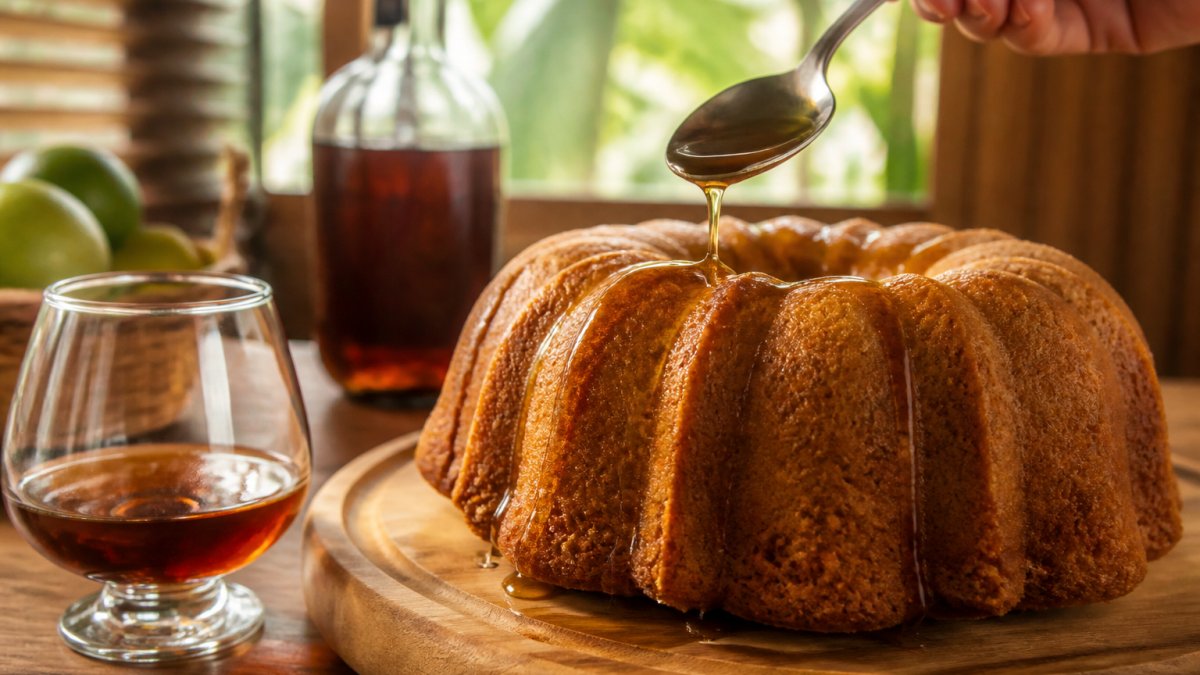
For an authentic Caribbean rum cake, reach for a rum made in the islands. Cruzan Rum, distilled on St. Croix, gives the cake that unmistakable Virgin Islands character.
The math on alcohol is worth knowing.
Does Rum Cake Contain Alcohol After Baking?
Yes, a traditional Caribbean rum cake contains alcohol after baking, and the amount depends almost entirely on when the rum is added.
Alcohol evaporates faster than water, but it does not all disappear the moment the cake hits the oven.
That is why two rum cakes with identical batter can land very differently: a cake soaked in a light rum syrup tastes milder than one drenched in a dark overproof syrup.
How Rum Choice Changes Flavor and Strength
Not all rum behaves the same in a cake. The style you pick shapes both the flavor and the perceived booziness:
- Dark rum (such as Myers's or Gosling's Black Seal) brings molasses, caramel, and dried-fruit notes. It is the classic choice for a Caribbean rum cake because its weight stands up to butter and sugar.
- Aged rum (such as Appleton Estate or Mount Gay) adds oak, vanilla, and a smoother finish. It costs more but gives a more refined, less sharp result.
- Spiced rum (such as Chairman's Reserve Spiced) contributes warmth and baking-spice notes. It can clash with vanilla in the batter, so taste as you go.
Island bakers often use one rum for the batter and a darker rum for the syrup: the batter rum builds background flavor, the syrup rum delivers the signature hit. If you only have one bottle, a dark or aged rum works in both places.
Alcohol-Free and Dietary Adaptations
If you need a rum-free version, the goal is to replace both the flavor and the moisture the rum provides:
- For the batter: Swap the rum for a mix of apple juice, a splash of vanilla, and a spoonful of molasses. The molasses mimics the dark rum's depth; the juice adds moisture.
- For the syrup: Use the same apple-juice-and-molasses blend, or try a strong brewed chai or spiced cider for warmth. Simmer it with the butter and sugar as usual.
- For dairy-free: Replace the butter with a plant-based butter that holds up in baking (look for one with at least 80% fat) and the milk with full-fat oat or coconut milk. The crumb will be slightly denser but still tender.
These swaps are tested starting points, not guarantees, every substitution shifts the result. Taste the batter before it goes in the pan and adjust to your liking.
USDA FoodData Central nutrition database lists the components of rum and rum-based desserts if you want to check what a slice contributes to your day.
If you are baking for a mixed crowd, make two small cakes instead of one large one, and label them clearly.
How to Store Rum Cake, Freeze It, and Make It Ahead
Rum cake stores well because the syrup acts as a preservative, exactly why island bakers started soaking cakes in the first place. Here is how to store rum cake without losing the moisture you worked for:
- Countertop: Wrap tightly in plastic wrap, then foil, and keep at room temperature for several days. The flavor deepens after the first day.
- Refrigerator: For longer storage, refrigerate in an airtight container. Bring slices to room temperature before serving so the butter softens again.
- Freezer: Wrap the whole cake or individual slices in plastic, then foil, and freeze for up to a few months. Thaw overnight in the fridge.
This cake is a natural make-ahead dessert: bake it a day or two ahead and let the syrup settle, and the crumb gets more tender as the rum flavor rounds out. For shipping, choose a well-wrapped, syrup-soaked cake over a dry one, since the moisture helps it survive the trip.
Caribbean Coconut Cake: A Tropical Variation
Caribbean coconut cake follows the same butter-cake method, then leans into tropical flavors with shredded coconut and a lighter glaze. But the version most worth baking is tied to the region's older tradition: a fruit-soaked, aged rum cake that island families make weeks or months ahead of a holiday.
The Traditional Fruit-Soaking Method
Long before boxed pudding mix and bundt pans, Caribbean bakers preserved cakes by soaking dried fruit in rum for weeks.
Here is how the traditional method works:
- Soak the fruit. Combine raisins, currants, chopped prunes, and candied citrus peel in a jar. Pour enough dark rum over the fruit to cover it by an inch. Seal the jar.
- Wait. Let the fruit sit at room temperature for at least two weeks, ideally a month or more. Shake the jar every few days. The fruit plumps and the rum takes on the fruit's sweetness.
- Bake. Fold the soaked fruit (with any remaining rum) into the batter just before it goes in the pan. The cake bakes longer and slower because the fruit adds moisture.
- Age the cake. Wrap the cooled cake tightly and let it rest for several days before serving. Some families brush it with additional rum every few days for a week or two. The flavor deepens each day.
This is not a quick recipe, it is a project, and that is the point. The aging gives the cake its complexity, which is why Caribbean rum cakes are made for Christmas, weddings, and christenings rather than a weeknight dessert.
Coconut and Pineapple: A Faster Tropical Variation
For tropical flavor without the month-long soak, the coconut-pineapple version is the practical shortcut.
For the full island treatment, add crushed pineapple to the wet ingredients and cut back slightly on the milk; it adds moisture and a bright tang that balances the rum.
A few trade-offs to know:
- Fresh vs. canned pineapple: Fresh pineapple contains an enzyme that can make the cake gummy. Canned pineapple is heated during processing, which deactivates the enzyme, so it is the safer choice for baking.
- Coconut texture: Desiccated coconut is drier and absorbs more liquid than shredded. If you use desiccated, add an extra tablespoon of milk.
- Glaze adjustment: A coconut cake pairs better with a lighter glaze than a heavy rum syrup. Use half the syrup and add a tablespoon of coconut milk to the glaze for a softer finish.
This variation tastes like a Caribbean afternoon rather than a holiday table, and it travels best to a picnic or beach cookout because the coconut and pineapple keep the crumb forgiving.
Storage and Aging Notes for Fruit-Soaked Cakes
A fruit-soaked rum cake stores differently from a plain butter cake. The fruit holds moisture, so the cake stays tender longer, but it can ferment if kept too warm. Wrap it tightly in plastic, then foil, and store in a cool, dark place up to two weeks.
National Center for Home Food Preservation publishes guidance on storing and preserving baked goods safely if you plan to keep a cake for an extended period.
Frequently Asked Questions
What makes a Caribbean rum cake authentic?
An authentic Caribbean rum cake uses dark or spiced rum soaked into the cake after baking, not just in the batter. It has a moist, tender crumb from butter and eggs, a bundt shape, and a rum syrup glaze. Many island bakers also add instant pudding mix for moisture and flavor. The key is real rum and a generous soak, which gives the cake its signature richness and shelf life.
Does rum cake contain alcohol after baking?
Yes, most rum cakes contain some alcohol after baking. The batter loses much of it in the oven, but the rum syrup poured over the baked cake adds alcohol back. The exact amount depends on how much syrup you use and how much alcohol evaporates. If you need an alcohol-free version, replace the rum with a mix of apple juice and rum extract.
What kind of rum is best for Caribbean rum cake?
Dark or spiced rum works best because it adds color and depth. Cruzan Rum from St. Croix is a classic choice for an authentic Virgin Islands flavor. Avoid white rum, which can taste harsh and lacks the caramel notes that make the cake rich. For a milder cake, use a gold rum. The rum goes both in the batter and in the syrup.
How do you keep rum cake moist?
Moisture comes from three things: fat (butter), the pudding mix, and the rum syrup soak. After baking, poke holes in the cake and pour warm syrup over it slowly so it absorbs. Store the cake in an airtight container at room temperature. The syrup keeps it moist for days, and the flavor deepens over time.
Can you make Caribbean rum cake ahead of time?
Yes, rum cake is ideal for making ahead. Bake it, glaze it, and let it cool completely. Wrap it tightly in plastic wrap and then foil, and store it at room temperature for up to a week. The flavor improves after a day or two as the rum soaks in. You can also freeze it for up to three months.
How should you store Caribbean rum cake?
Store rum cake in an airtight container at room temperature, away from direct sunlight. If it has a glaze, let it set first. For longer storage, wrap it in plastic wrap and then aluminum foil, and refrigerate for up to two weeks. Bring it to room temperature before serving. Do not refrigerate uncovered, as it will dry out.
Can you freeze Caribbean rum cake?
Yes, you can freeze rum cake. Wrap the cooled, glazed cake tightly in plastic wrap, then in foil, and place it in a freezer bag. Freeze for up to three months. Thaw overnight in the refrigerator, then bring to room temperature. The texture stays moist, and the rum flavor remains strong.
What is the secret to a good bundt cake?
The secret is proper pan preparation and not overmixing. Grease and flour the bundt pan thoroughly, including the crevices, so the cake releases cleanly. Mix the batter until just combined after adding flour. Bake until a skewer comes out with a few moist crumbs, not dry. Let the cake cool in the pan for 10-15 minutes before turning it out.