 ultimate-guide
Is Handcrafted Island Apparel Worth It? A 2026 Guide
Table of Contents
- What Makes Handcrafted Island Apparel Different
- Handmade Clothing vs Mass-Produced Clothing: Where the Cost Difference Comes From
- How to Choose a Quality Island Shirt: What to Look For
- Cost vs. Longevity: The Real Value Proposition
- Island Apparel Care Instructions and Lifetime Value
- Who Should Buy Handcrafted Island Apparel
- Conclusion: Is It Worth the Investment
- Frequently Asked Questions
Last Updated: October 16, 2026
What Makes Handcrafted Island Apparel Different
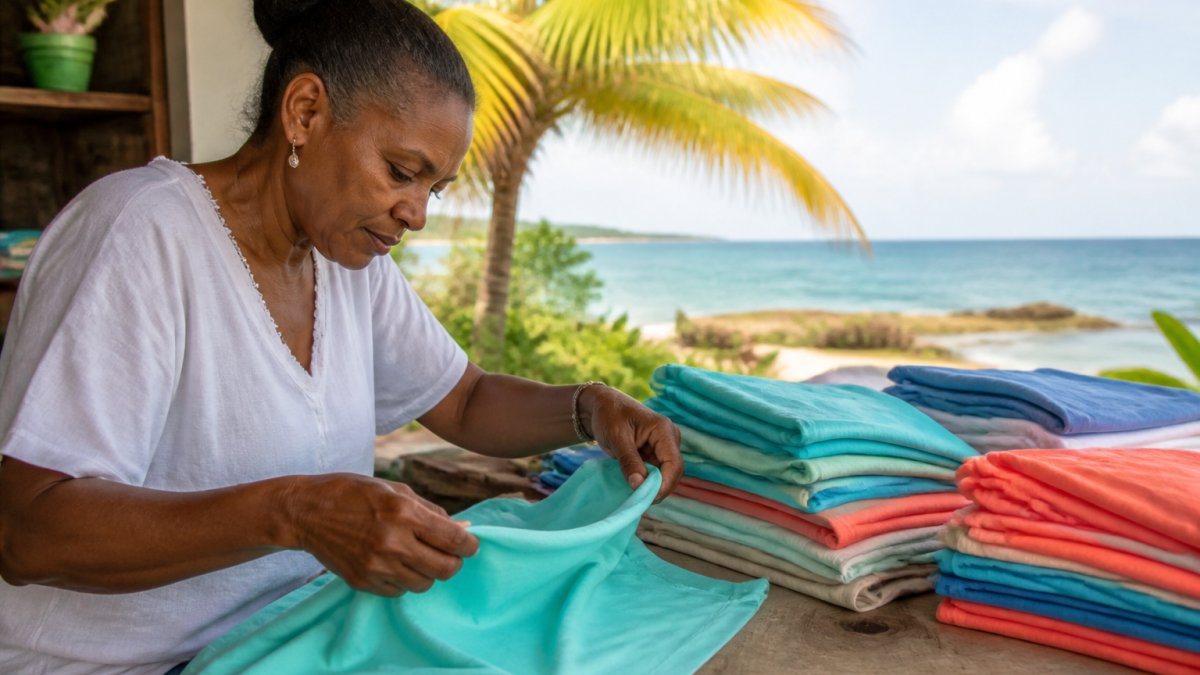
Handcrafted island apparel differs from mass-produced clothing structurally: artisans control quality at every stage, from fabric selection through final stitching.
At Life in the Left Lane, we've celebrated island craftsmanship since 1981. Mass producers optimize for speed and volume; handcrafted producers optimize for the garment itself.
The real value of handcrafted island apparel is traceable decisions: fabric chosen because someone judged it would wear well, embroidery positioned for balance and movement, deliberate choices, not cost-cutting compromises.
Handmade Clothing vs Mass-Produced Clothing: Where the Cost Difference Comes From
The cost difference between handmade and mass-produced clothing reflects different production models, not brand markup. Understanding it helps you decide whether handcrafted island apparel is worth the investment.
Quality Control and Attention to Detail
Handcrafted production means human eyes inspect every garment; a mass-production facility might pull only 1 in 100 pieces. This catches flaws automated systems miss, loose threads, uneven dye lots, stitching variations, that compound over time, turning a two-year garment into a five-year one.
Attention to detail also means finishing work mass production skips: hand-finished seams, reinforced stress points, and proper hem construction add labor but extend garment life significantly. Embroidery on island-inspired designs requires unrushed skilled labor, a single element might take hours, but it makes the piece distinctive and durable.
Material Selection and Durability
Handcrafted producers source fabrics for long-term wear rather than initial feel: fabrics that soften with age rather than pill, hold color through repeated washing, and keep structure season after season. Island apparel especially benefits, since coastal environments demand resistance to salt air, sun, and frequent washing.
Fabric choices directly impact longevity: a handcrafted island shirt in quality cotton-blend might be worn 100+ times before showing significant wear, while a mass-produced alternative in lower-grade fabric might fade after 20-30 wears. That durability is baked into material selection, not added later.
How to Choose a Quality Island Shirt: What to Look For
Choosing a quality island shirt requires knowing what signals actual craftsmanship versus marketing language. Several indicators separate genuinely handcrafted pieces from mass-produced items wearing an island aesthetic.
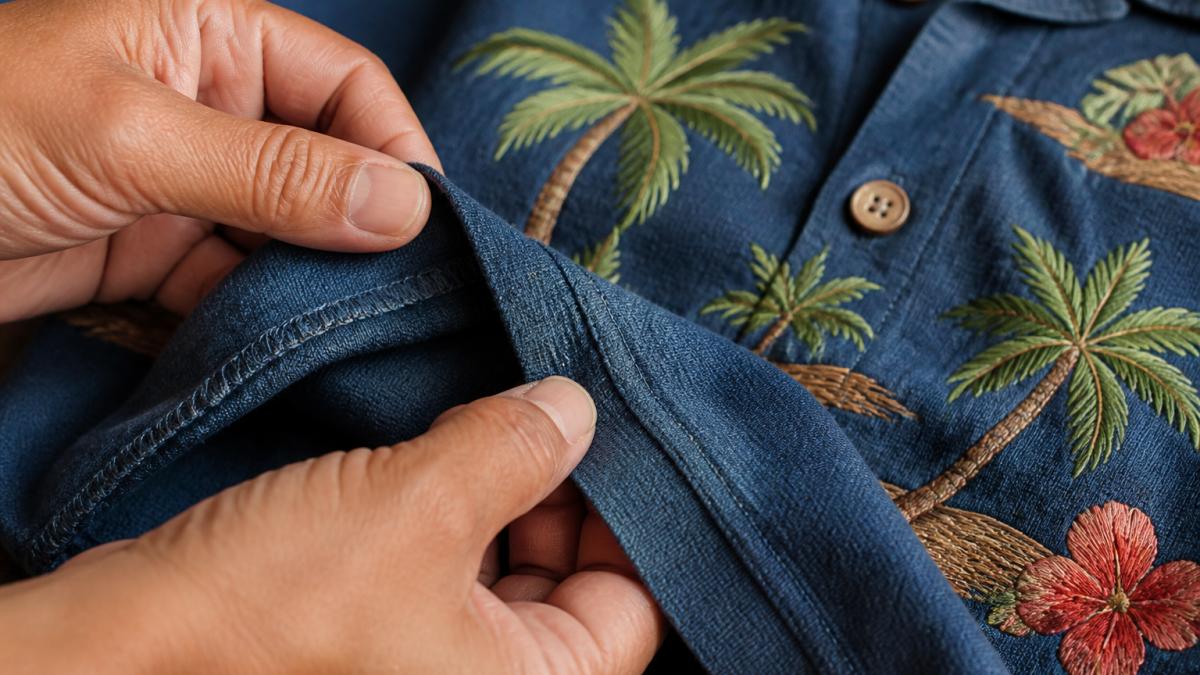
Verifying Authentic Handcraftsmanship
Authentic handcraftsmanship leaves visible traces. Slight variations in embroidery spacing or stitching indicate human execution, machine embroidery is perfectly uniform, while hand embroidery has rhythm and subtle variation.
Ask the producer directly: where is the garment constructed, who applies the embroidery, and how does quality control work? Legitimate handcraft producers have answers because they're involved in the work.
Check for production sample or strike-off documentation. Handcraft operations often keep records of how each design was developed; some producers, like Life in the Left Lane, can trace designs back to local artists and specific creative decisions, a credibility signal.
Evaluating Fabric and Stitching
Run your hand over the fabric and note its weight and texture. Quality island apparel uses substantial fabric, typically 5.3 ounces per square yard or heavier for t-shirts; lighter fabrics wear through faster.
Examine the stitching closely. Seams should be straight and consistent, with stitches neither too tight (which puckers) nor too loose (which fails under stress). Check whether the hem is folded and stitched or a single-stitch edge, proper hemming prevents unraveling.
Embroidery, if present, should be secure and dimensional, with threads anchored firmly rather than loose or raised. Quality pieces use thread colors that complement the base fabric rather than contrast sharply in ways that highlight imperfections.
Cost vs. Longevity: The Real Value Proposition
The central question about handcrafted island apparel is whether higher upfront cost delivers proportional value over time. Here's how to run the math yourself, plus the quality signals that determine whether a garment hits your projected wear counts.
A Simple Cost-Per-Wear Framework
Cost per wear = purchase price ÷ number of times you realistically wear the garment before it becomes unwearable (faded, pilled, torn, stretched, or retired).
The tricky part is estimating the denominator honestly. Rules of thumb most long-time buyers and tailors use:
- Mass-produced cotton tee, light fabric (under ~5 oz/yd²): typically 20-40 wears before visible fading, pilling, or hem failure under regular washing.
- Mass-produced cotton tee, mid-weight (5-6 oz/yd²): typically 40-80 wears with careful laundering.
- Handcrafted island shirt, quality cotton or cotton blend, reinforced seams: commonly 100-200+ wears when washed cold and dried flat, with many owners reporting multi-year rotation.
- Embroidered or hand-finished pieces: the embroidery itself rarely fails first; the base fabric and seams determine lifespan, which is why construction matters more than thread count.
Run the numbers: a $20 mass-produced shirt worn 30 times costs about $0.67 per wear. A $70 handcrafted shirt worn 150 times costs about $0.47 per wear. The handcrafted piece wins, but only if it reaches 150 wears. That's the bet you're making.
What Actually Determines Whether a Garment Hits 150 Wears
Four factors drive that denominator, each verifiable before you buy.
1. Fabric weight and fiber content. Heavier, longer-staple cotton resists pilling and thinning.
2. Seam construction at stress points. Armholes, necklines, and side seams take the most load, so look for double-stitched or reinforced seams there.
3. Colorfastness. A garment that fades in 20 washes is functionally retired even if the seams hold.
4. Repairability. A loose seam or small tear is a 10-minute fix if the garment is well-constructed, but a death sentence if the fabric is too thin for a patch to hold.
The Trade-Off Competitors Don't Mention
Handcrafted island apparel is not automatically cheaper per wear. If you wear a piece rarely, or wash it hot and tumble-dry it, the math flips against you. The premium pays off only when three conditions hold: the garment is well-constructed, you wear it regularly, and you care for it properly. Two out of three isn't enough, which is why care and repair matter as much as the purchase.
Island Apparel Care Instructions and Lifetime Value
Care decides whether the cost-per-wear math works for or against you. A handcrafted shirt washed hot and tumble-dried can lose 30-50% of its useful life versus the same shirt washed cold and dried flat, the difference between a garment that pays for itself and one that doesn't.
The Care Routine That Protects Your Investment
Washing. Cold water, mild detergent, gentle cycle, or hand wash if the piece is heavily embroidered or especially valuable. Hot water accelerates fiber breakdown and dye loss.
Drying. Hang-dry or dry flat, the single highest-impact habit. Dryer heat causes shrinkage, weakens fibers, and abrades seams.
Storage. Cool, dry, away from direct sunlight, UV fades dyes, especially on vibrant island-inspired designs. Fold rather than hang where possible; hanging stretches shoulder seams over months, particularly on heavier fabrics.
Embroidery and hand-finished details. Avoid ironing directly over embroidery; threads can flatten or melt. Iron on the reverse side, or use a pressing cloth.
Repair: The Most Underused Lever on Lifetime Value
Most people retire a garment because of a single failure, a split seam, a pulled thread, a small tear, not because the whole piece wore out. Repairing that issue can add years of life at a fraction of replacement cost.
A few repairs worth learning or paying for:
- Loose or pulled embroidery thread: can often be re-anchored from the back with a needle and matching thread. Left alone, it snags and unravels further.
- Split side seam or armhole seam: a 10-minute fix at a tailor or with a basic sewing machine. Reinforce with a second pass of stitching to prevent recurrence.
- Small tear or hole: a patch or darn on the reverse side preserves the front appearance. Works well on mid-weight cotton; less reliable on thin fabric.
- Faded dye: not repairable, but re-dyeing solid-color pieces is possible. Embroidered or multi-color designs generally can't be re-dyed without affecting the thread.
Many handcrafted producers, including small island operations, can point you to a tailor familiar with their construction. That's a practical advantage of buying from a maker you can contact: the relationship doesn't end at checkout.
How Care Choices Change the Cost-Per-Wear Math
Return to the earlier framework. A $70 handcrafted shirt worn 150 times costs about $0.47 per wear. If poor care cuts that to 75 wears, cost per wear jumps to about $0.93, worse than many mass-produced alternatives. If good care and one $15 repair extend it to 250 wears, cost per wear drops to about $0.28.
That swing, from $0.93 to $0.28, is entirely within your control. Handcrafted island apparel is a better deal for people willing to adjust their laundry habits than for those who treat every garment the same way. The premium is real, but so is your leverage over whether it pays off.
Who Should Buy Handcrafted Island Apparel
Handcrafted island apparel is right for specific audiences and wrong for others. Knowing which category you fall into prevents buyer's remorse.
Buy handcrafted island apparel if you're seeking authentic connection to island culture and heritage. Former residents of St.
Buy it if you value craftsmanship and longevity over trend-chasing.
Buy it if you're seeking unique pieces for gifting.
Skip handcrafted island apparel if your priority is lowest possible cost. Mass-produced alternatives are always cheaper upfront, and that's legitimate if budget is your constraint.
Skip it if you want maximum variety and constant newness.
Conclusion: Is It Worth the Investment
---
Handcrafted island apparel is worth the investment if you value longevity, authentic craftsmanship, and cultural connection over lowest-cost convenience. The higher upfront price reflects real differences in material selection, production process, and quality control that extend garment life significantly.
Life in the Left Lane has demonstrated this value since 1981 through trademarked designs, partnerships with local artists, and a commitment to quality that shows in every piece. When you buy handcrafted island apparel, you're supporting that approach and getting a garment designed to last.
Frequently Asked Questions
How can you tell if island apparel is genuinely handcrafted?
Genuine handcrafted island apparel shows inconsistencies that mass-produced clothing avoids: slightly uneven stitching, variations in embroidery tension, and hand-finished seams. Ask whether the garment was made in small batches. Authentic pieces often come with a story about local artists or island heritage, not generic marketing language.
Does handcrafted clothing last longer than mass-produced clothing?
Handcrafted apparel typically outlasts mass-produced alternatives when made with quality fabrics and proper construction. Hand-stitched seams distribute stress more evenly, and careful garment construction means fewer weak points. However, longevity depends on fabric choice, care, and wear frequency. A handcrafted cotton shirt worn daily may fray faster than a synthetic blend worn occasionally. The real value comes from durability combined with repairability: handcrafted pieces are easier to mend, extending their lifespan significantly.
What should you look for in a high-quality island shirt?
Prioritize fabric weight and fiber content, quality island apparel uses breathable, durable natural fabrics suited to warm climates. Examine stitching consistency and hem finishing. Look for hand embroidery that sits flat. Verify the maker's connection to island culture.
Is handcrafted island apparel worth the higher price?
Handcrafted island apparel justifies premium pricing through superior craftsmanship, material quality, and longevity. A garment that lasts years of frequent wear costs less per wear than cheaper alternatives replaced annually. Beyond durability, handcrafted pieces often support local artisans and preserve cultural heritage. The value depends on your priorities: if you wear it regularly and value authenticity, yes. If you want a casual souvenir worn occasionally, mass-produced options may suit you better.